 Fundlet

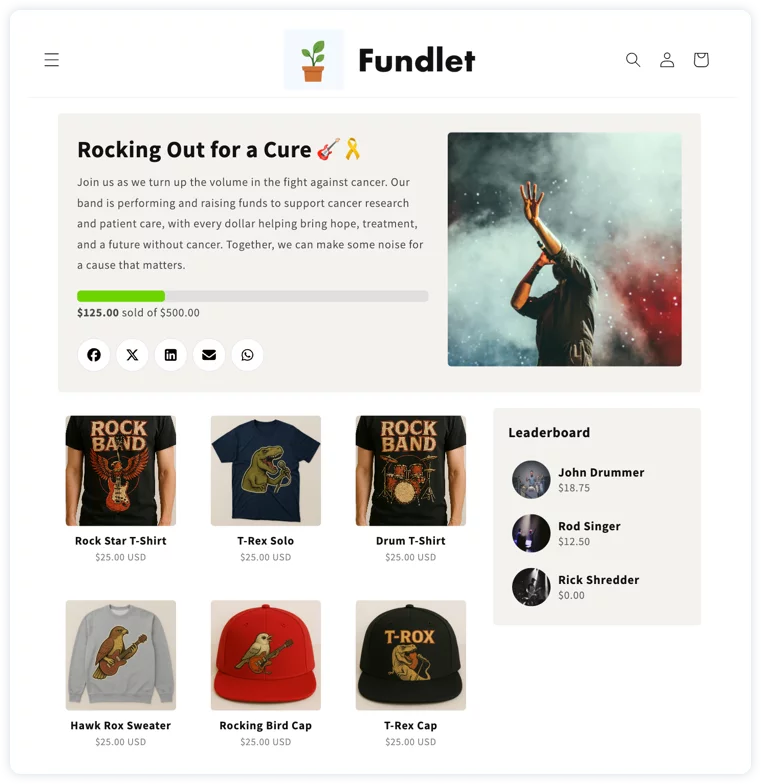
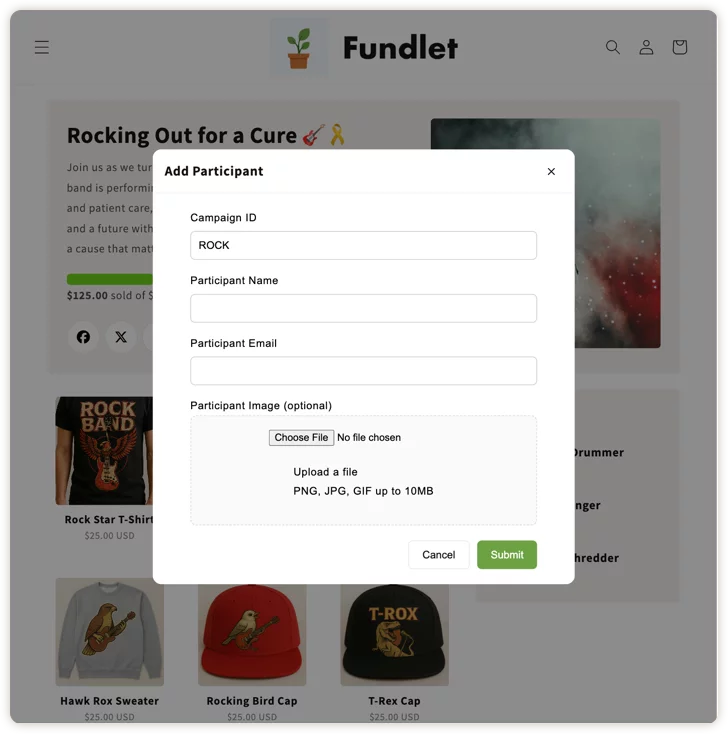
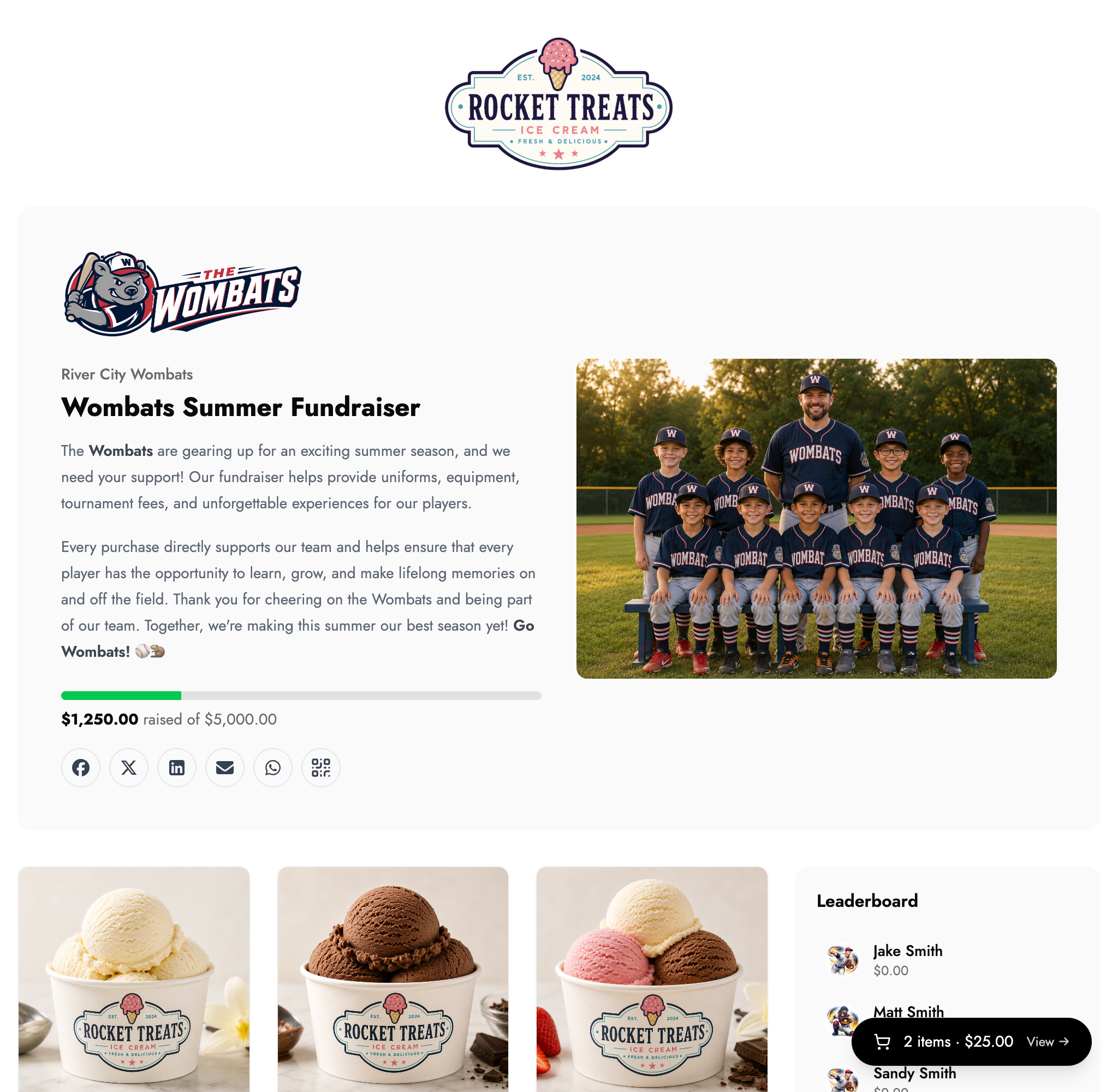
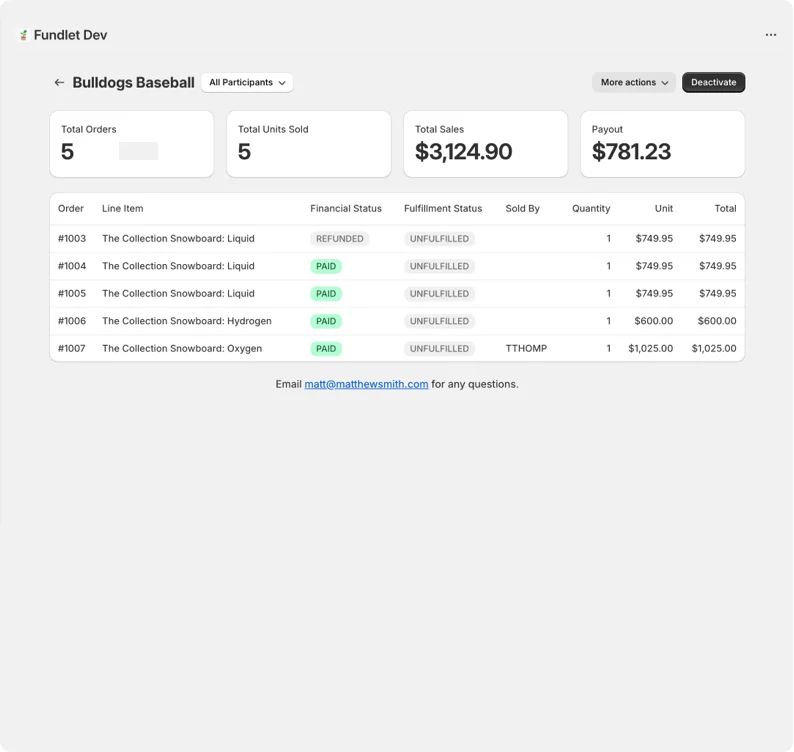
Short answer: A 4-H club or FFA chapter can fundraise by selling a local shop's products through a Fundlet campaign page in the chapter's name. Each member shares a personal link, supporters order online, and sales are credited per member automatically — producing both the funds and the documented participation record a chapter report or degree application needs.
Agricultural youth organizations fundraise against real, itemized costs: a project animal and its feed, jackets, state and national convention registration, CDE and LDE team travel. These are known amounts with known dates, which makes a scheduled campaign a better fit than a general appeal.
Project costs are individual
A member buying a market animal has a personal expense, not a chapter one. Per-participant totals let a chapter credit a member's sales toward their own project or convention cost, with a record each family can verify — the same reason many chapters already keep individual account ledgers by hand.
- A link per member, shared from a phone
- Running totals per member, all campaign long
- Group members by project area or committee
- Exportable records for the chapter report
Reach beyond a rural county
The structural limit on rural fundraising is population density. Door-to-door in a county of eight thousand people has a ceiling, and that ceiling has nothing to do with how hard a member works. A shareable link removes it: relatives in cities, alumni, and extension supporters anywhere can buy, and the shop ships.
Convention travel and fixed deadlines
State and national convention registration, hotel blocks, and buses all carry deadlines months ahead of the event. A campaign with a fixed close date lets a chapter raise against each deadline in turn rather than fronting costs and settling up later.
Records for reports and degree applications
Chapters document fundraising for annual reports, POA records, and members' degree applications. Because every order is recorded with its campaign and participant, that documentation is an export rather than a reconstruction — and the per-member detail is what degree applications actually ask about.
Partnering with a local agricultural business
A farm store, bakery, or local food producer is a natural partner, and the relationship is mutual: the business gains customers and visible community support, the chapter gains a repeatable program. For chapters already working with local sponsors, this formalizes what was an annual donation request.
Book a free 30-minute consultation to plan a chapter drive, or send this page to a local business you already work with.
See also: Fundraising for Scout Troops, Fundraising for Robotics and STEM Teams, and the full index of organization guides.
 Add to Square Store