 Fundlet

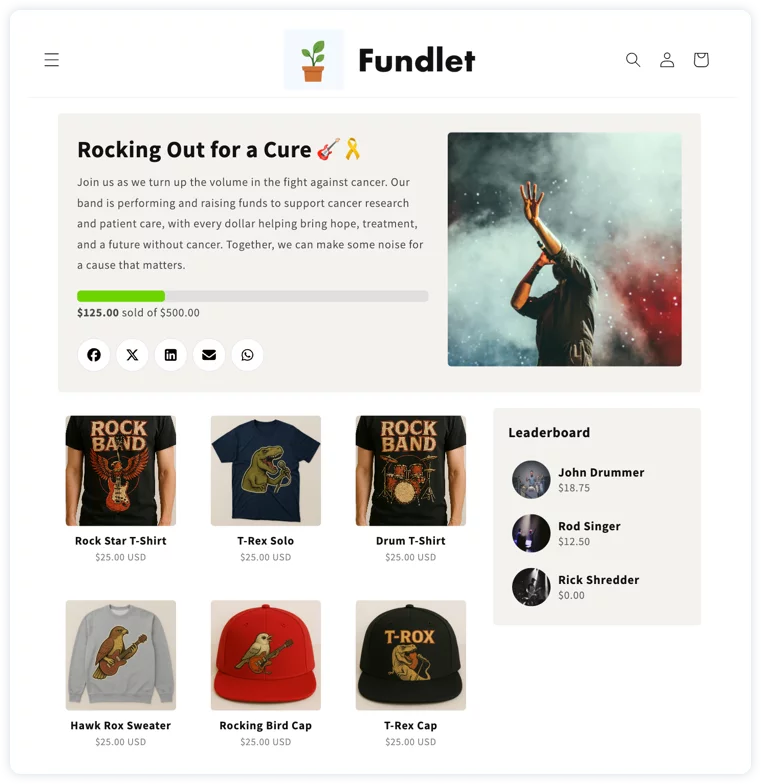
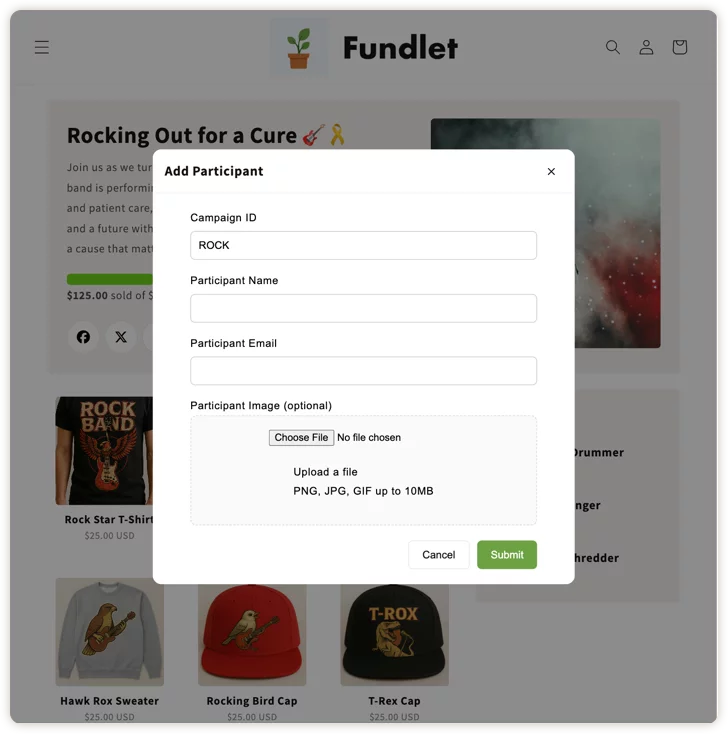
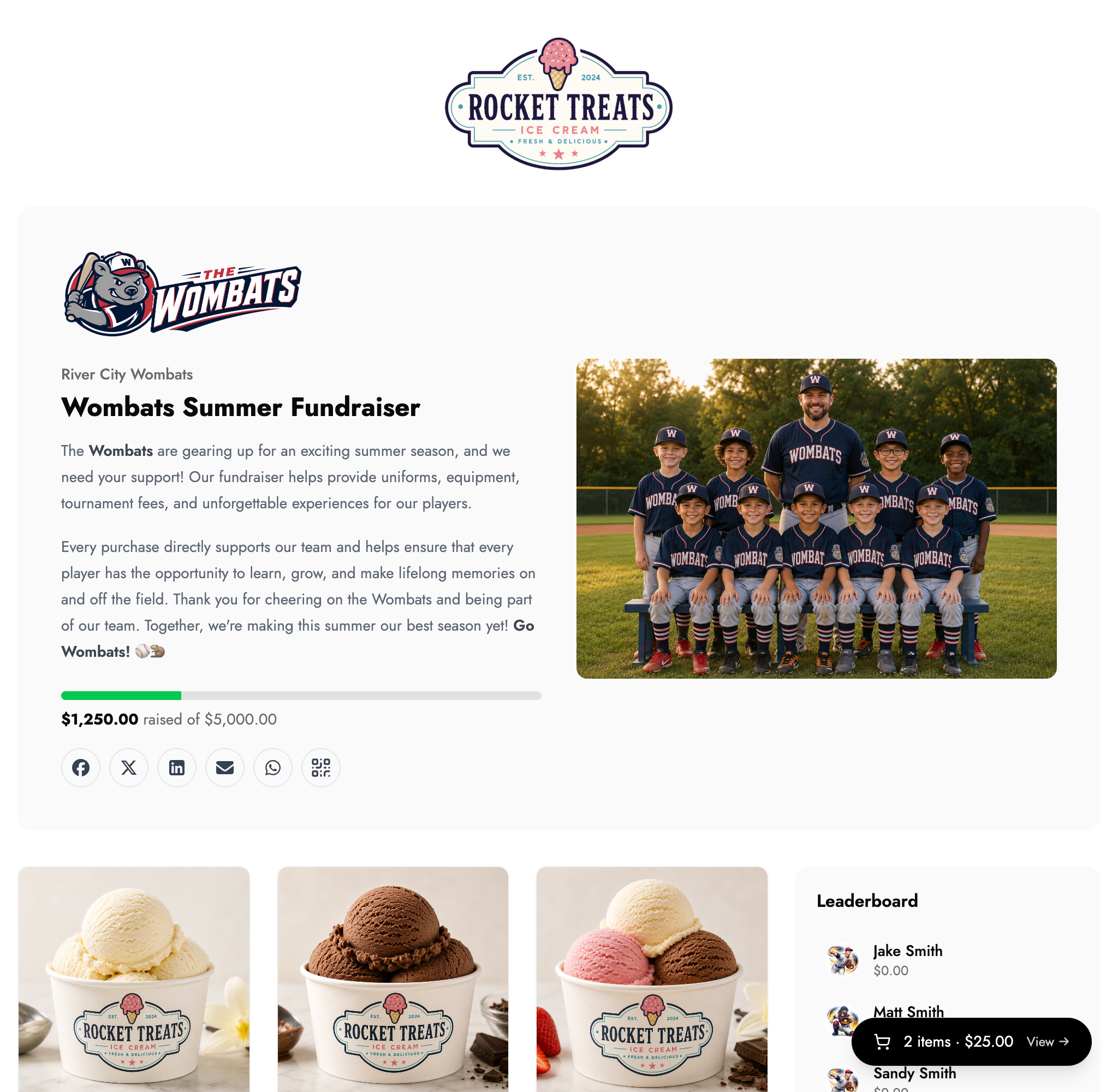
Short answer: A youth group can fundraise by selling a local shop's products through a Fundlet campaign page in the group's name. Each student gets a personal link to share, supporters order online, and sales are credited to that student automatically — so earnings can be applied to each student's own camp or trip cost without anyone handling money.
Youth ministry fundraising is mostly about cost per student. Camp, a retreat weekend, or a summer trip has a per-head price, and the families who most need help are the least likely to ask. A drive that tracks individual earnings is the practical way to close that gap.
Earnings that follow the student
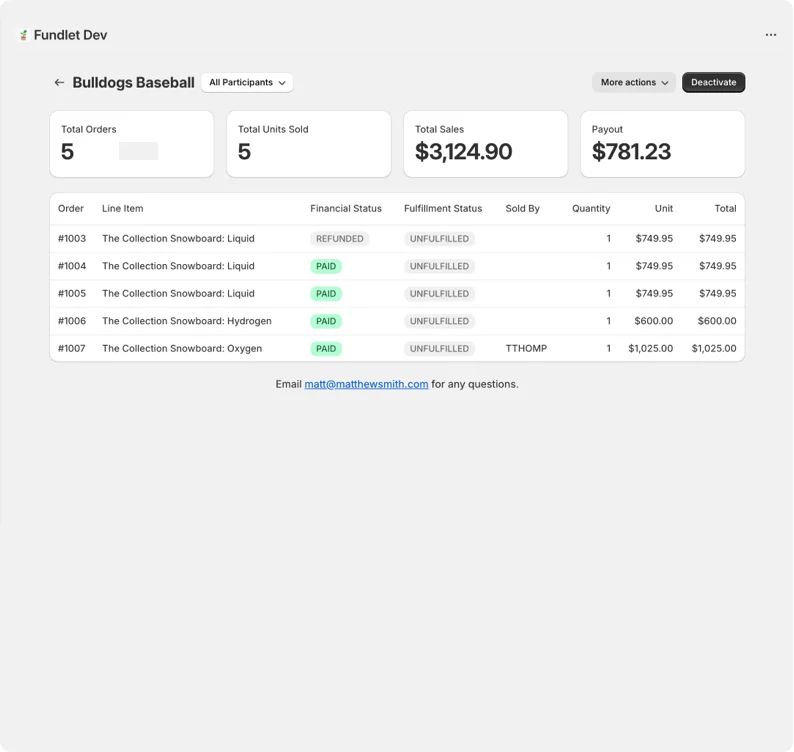
When a student's sales are credited to their own trip cost, fundraising stops being a group obligation and becomes something a motivated student can use to pay their own way. Per-participant totals make that visible and fair: each family sees exactly what their student raised.
- A link per student, shared by text or social
- Live per-student totals toward their trip cost
- Group students by trip, grade, or small group
- Scholarship decisions based on real numbers
Students can actually run it
Teenagers are good at sharing links and bad at keeping order forms intact. This drive plays to that: a student's entire job is to send a link and talk about the trip. No forms to lose, no money to carry, no deadline to collect by.
Safe by design
No student goes door to door, no student holds cash, and no student's phone number or address is written on a form that circulates. Supporters transact with the shop, which also means the ministry is not storing any payment information.
Parents who are tired of being asked
A youth ministry asks the same families repeatedly across a year. Selling a real product from a local shop changes the nature of the ask — a grandparent buying coffee or cookies does not experience it as a donation request, which is why these drives can be repeated without fatigue.
Camp deposits and the summer calendar
Camp registration closes in spring and the deposit is due before that. Running a short campaign in February or March, timed to close before the deposit date, means the money arrives when the invoice does rather than after the ministry has already fronted it.
Book a free 30-minute consultation to plan a trip campaign, or send this page to a shop in your community.
See also: Fundraising for Churches, Fundraising for Mission Trips, and the full index of organization guides.
 Add to Square Store